





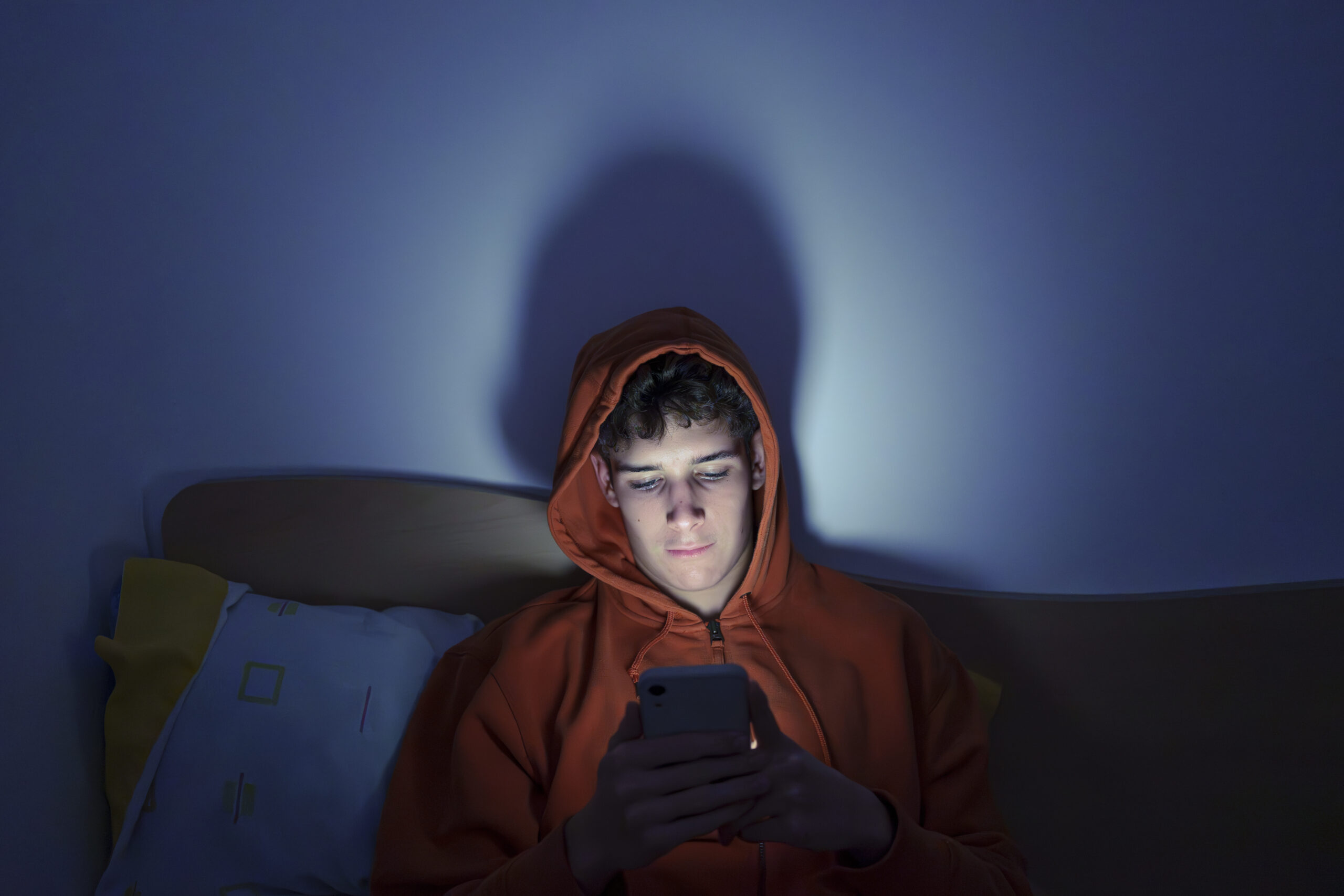





Addressing the root cause when sleep apnea is an unexpected driver
By Carolina Brooks, BA, IFMCP
We often think of sleep apnea as a condition that affects our sleepy, obese, endemic patients. What has become very clear to me over the years is that this is something that is not being screened for or picked up early enough.
Sleep apnea is a huge driver in cardiac death, increasing mechanical stress to the heart, with a single bout of sleep apnea impairing the body’s ability to regulate blood pressure, according to a 2016 study in American Journal of Physiology–Heart & Circulatory Physiology. It is inexpensive to screen for sleep apnea. treatment is effective, but this condition is often overlooked. Practitioners need to familiarize themselves with the atypical sleep apnea patient.
The National Sleep Foundation states that obstructive sleep apnea (OSA) is most common in among men and post-menopausal women with prevalence increasing significantly over the age of 60. Excess body weight is also a well-known risk. The reason post-menopausal women are at increased risk is primarily due to the role of oestrogen and progesterone in maintaining muscle tone in the throat, which keeps the airways open. More fat in the throat area may also increase the risk of disrupted breathing. Increased prevalence is well known among certain ethnicities, including Hispanics and African Americans, but a 2005 study in Thorax reported that Asians with smaller facial structures often experience much more severe OSA than their Western counterparts.
What clinicians might see as a clue to determine whether sleep apnoea screening and a referral to a specialist sleep clinic might be necessary include the inability to lose weight despite trying everything, or waking unrefreshed. If the patient uses a fitness tracker and it is showing low levels of deep sleep despite adequate time asleep over eight hours or low heart rate variability, this should be a red flag. There is also the possibility that using a fitness tracker itself may promote orthosomnia. I advise my patients who use fitness trackers to try sleeping without them to see if the device might be causing more harm than good.
Unrefreshing sleep and waking multiple times in the night is often linked to poor blood sugar regulation, elevated fasting glucose, and glycated hemoglobin levels. A 2014 study in the European Respiratory Journal linked OSA with diabetes and insulin resistance.
In one of my recent cases, a peri-menopausal woman with a family history of heart disease was struggling to lose weight and had recently been diagnosed with fibroids. She ate a clean diet, practiced regular intermittent fasting, and exercised regularly, but her blood sugar markers remained high, as did her lipid peroxidation, indicating high levels of oxidative stress. She never felt refreshed in the morning and regularly woke at night.
I advised her to rent a sleep apnea screening kit for three days. Her results indicated she was suffering from sleep apnea. I immediately sent her to her general practitioner, who then referred her to a sleep specialist who diagnosed her with moderate sleep apnea. He fitted her with a continuous positive airway pressure (CPAP) device, we adjusted her sleeping position, and improved her sleep hygiene. She started sleeping well, and since the underlying root cause had been addressed, we were able to work on weight loss in a much more effective manner, and her markers gradually normalized.
Other potential clues for OSA include erectile dysfunction, low free testosterone levels, and waking up repeatedly at night to urinate, which is caused by increased release of the hormone brain natriuretic peptide. I recently saw an advertising executive in his thirties who had been using Cialis for a decade. He put his erectile dysfunction and low libido down to stress, even though he had a good work-life balance and practiced regular stress management techniques. His responses, nightly snoring, unrefreshing sleep, and alcohol most evenings, and diagnostics upon intake, high blood pressure, high body mass index, high homocysteine, increased visceral fat levels, and increased neck circumference, helped us address the root cause of his erectile dysfunction.
The sequelae of events that occur in OSA including cessation of breathing, brief periods of arousal, nocturnal hypoxia, and broken sleep will activate the hypothalamic-pituitary-adrenal system and increase cortisol levels in apneic patients. Catecholamines, dopamine in particular, are particularly affected by hypoxia as they play an important role in the fight or flight response and facilitate bronchodilation, so other clues might be low mood and motivation, anxiety, feelings of hopelessness, low libido, and mood swings.
History of persistent use of sedatives, which can further relax the upper airway respiratory muscles, sinusitis, structural abnormalities of the neck and spine, bruxism, and irregular advanced lipid panel results, hypothyroidism due to reduced metabolic rate, and severe adrenal dysregulation are other clues to look out for.
Aside from a referral to a sleep specialist, other factors that can really make a big difference to reducing or even resolving OSA include following an anti-inflammatory Mediterranean-type diet. A 2011 case report published in the Journal of Chiropractic Medicine outlined a case where OSA was completely resolved within three months by dietary and lifestyle changes such as the replacement of refined grains and sugar with nutrient-dense fruits and vegetables, wholegrains and lean proteins, spices in lieu of table salt, healthy anti-inflammatory fats, and significant reduction of alcohol intake. The patient also started to exercise and take anti-inflammatory supplements.
Sleep apnea can go undiagnosed for years, often because clinicians do not expect to see it in certain subsets of their patients. Effective screening can prevent the long-term sequelae of serious cardiovascular risk and other negative health outcomes.
References
Galla, T. and Seaman, D. (2011). Lifestyle Modifications and the Resolution of Obstructive Sleep Apnea Syndrome: A Case Report. Journal of Chiropractic Medicine. Retrieved from: https://www.ncbi.nlm.nih.gov/pmc/articles/PMC3110415/pdf/main.pdf.
Glazer Baron, K., Abbot, S., Jao, N., Manalo, N., and Mullen, R. (2017) Orthosomnia: Are Some Patients Taking the Quantified Self Too Far. Journal of Clinical Sleep Medicine. Retrieved from: http://jcsm.aasm.org/ViewAbstract.aspx?pid=30955
Kent, B., Grote, L., Bonsignore, M., Saaresranta, T., Berbraecken, J., Levy, P., Sliwinski, R., Tkacova, J., Kyamme, A., Fietze, I., Hedner, J., and McNicholas, W.T. (2014) Sleep Apnea Severity Independently Predicts Glycemic Health in Nondiabetic Subjects: the ESADA Study. European Respiratory Journal. Retrieved from: http://dx.doi.org/10.1183/09031936.00162713.
Lam, B., Ip, M., Tench, E., and Ryan, C. F. (2005). Craniofacial Profile in Asian and White Subjects with Obstructive Sleep Apnoea. Thorax. Retrieved from: https://pdfs.semanticscholar.org/3a70/6eaec1c88210dbd2901f2214f172bc68b53b.pdf
Tremblay, J., Boulet, L., Tymko, M., and Foster, G. (2016) Intermittent Hypoxia and Arterial Blood Pressure Control in Humans: Role of Peripheral Vasculature and Carotid Baroreflex. American Journal of Physiology – Heart and Circulatory Physiology. Retrieved from: https://www.physiology.org/doi/full/10.1152/ajpheart.00388.2016
About the Author: CJ Weber

Also on Integrative Practitioner

Dental Danger: Signs of Sleep Breathing Disorders in children and Adults, Learn the Visual Clues
Non-Member Price: $30.00 Member Price: $18.00 – 40% Off for Members Only Add to Cart Presented by: Mark Breiner, DDS,...

Integrative and Comprehensive Approach to Inflammatory Bowel Disease
Non-Member Price: $30.00 Member Price: $18.00 – 40% Off for Members Only Add to Cart Presented by: Ronald Hoffman, MD,...

Measuring Biology vs. Symptomatology: The Fully Integrated Functional Wellness Program
Non-Member Price: $30.00 Member Price: $18.00 – 40% Off for Members Only Add to Cart Presented by: Dane Donohue, DC...

Change Your Genes, Change Your Life
Non-Member Price: $30.00 Member Price: $18.00 – 40% Off for Members Only Add to Cart Presented by: Kenneth Pelletier, PhD,...
Guided Imagery – Efficacious, Portable, Scalable, User-Friendly, Self-Administered
Non-Member Price: $30.00 Member Price: $18.00 – 40% Off for Members Only Add to Cart Presented by: Belleruth Naparstek, ACSW...