










TCM perspective and treatment for dizziness and vertigo
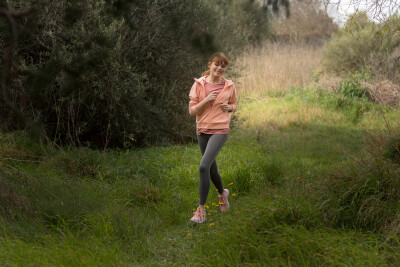
Photo Cred: Freepik
By Melissa Carr, BSc, DrTCM
Dizziness might describe a sensation of light-headedness, feeling faint, being unsteady or off balance (disequilibrium), a false sense of motion or spinning (vertigo), or a feeling of heavy-headedness or wooziness. It might also be accompanied by nausea, vomiting, sweating, headaches, visual or auditory disturbances, and fainting.
Western medicine generally categorizes the causes of dizziness and vertigo as peripheral, central, or psychological. Peripheral causes of dizziness and vertigo include benign paroxysmal positional vertigo (BPPV), Meniere’s disease, vestibular neuritis, labyrinthitis, and damage to the 8th cranial nerve. Central dizziness may be induced by injury, trauma, or tumor of the central nervous system, most often the cerebellum or brain stem, and these conditions are much more serious. Possible psychological causes of dizziness are anxiety, depression, physical exhaustion, and stress. Other reasons for dizziness include anemia, orthostatic hypertension, allergies, sinus infection, dehydration, hyperventilation, and the use of drugs, alcohol, tobacco, or some prescribed medications.
Traditional Chinese Medicine (TCM) and Dizziness
The first distinctions to be made for a TCM diagnosis in the event of dizziness is whether the syndrome is caused by an exogenous factor, impairment of an internal TCM organ, or traumatic injury.
Exogenous Factors
Often recognized in modern medicine as viruses, bacteria, parasites, or fungal infection, TCM diagnoses these exogenous factors of illness in our bodies with the names of elements from nature—Wind, Heat, Cold, Damp, Dry, and Summer-Heat. Consider that nature’s wind causes movement and sway, particularly to the upper part of trees, and you can come to understand how the TCM version of Wind is connected to the symptoms of dizziness and vertigo.
Herbs that release external Wind from the body include ones that have anti-pathogenic properties, such as ju hua (chrysanthemum flower), chai hu (bupleurum), and xi xin (wild ginger).
Impairment of Internal TCM Organ
The most common TCM organs to contribute to the symptom of dizziness are the Liver, Gallbladder, Kidneys, and Spleen.
The Liver and Gallbladder are paired organs in TCM, just as they are also closely connected physiologically and anatomically. The TCM diagnosis of Liver Yang rising includes symptoms of dizziness, vertigo, tinnitus, sudden deafness, headaches, irritability, high blood pressure, and insomnia. Liver Fire generating Wind is similar to Liver Yang rising but has more heat signs like red face or eyes, bitter taste in the mouth, thirst, constipation, and dark yellow urine. Formulas commonly employed for these patterns include Tian Ma Gou Teng Yin, Zhen Gan Xi Feng Tang, Dang Gui Long Hui Tang, and Chai Hu Long Gu Mu Li Tang, each selected and modified to fit the patient’s constitution and condition.
Liver Blood deficiency can also cause dizziness and it is marked by more weakness signs, like dizziness with fatigue, amenorrhea or scanty menstruation, muscle weakness, numbness, muscle spasms or cramps, pale complexion, low blood pressure, brittle fingernails, blurred vision, and visual floaters. Herbal formulas for this pattern include modified Si Wu Tang, Dang Gui Bu Xue Tang, and Dang Gui Shao Yao San.
Part of the Gallbladder meridian’s path wraps itself around the ears, zigzags over the sides of the head, and collects at the base of the skull. Gallbladder deficiency is another pattern that creates the symptoms of dizziness and vertigo, and causes blurred vision, timidity, nervousness, a tendency to startle easily, a lack of motivation and initiative, and frequent sighing. It is often combined with Liver imbalance and, in the case of dizziness, with excess Phlegm, so Wen Dan Tang is a good base formula.
Dizziness is more common in the elderly, and in TCM, part of the diagnosis for dizziness in this population is likely to include Kidney deficiency. It can also occur for those with constitutional weakness, chronic illness, and long-term overwork or stress. This type of dizziness tends to get worse with exertion, includes a feeling of emptiness in the head, poor memory, sore lower back, sore joints, weak bones, and tinnitus. Anxiety or fear are common emotions, as well. Depending on the type of Kidney pattern deficiency, Zuo Gui Wan, You Gui Wan, Er Xian Tang, Da Bu Yin Wan, or Liu Wei Di Huang Wan may be part of the treatment plan.
One of the jobs of the TCM Spleen is to transform and transport nutrients, thus providing energy (Qi) to nourish the body and to support the making of Blood. Dizziness that is worse with exertion, along with fatigue, weak muscles, pale complexion, foggy headedness, bloating, loose stools, poor appetite, palpitations, and insomnia are signs of Qi and Blood deficiency.
Heart Blood deficiency is also a possible pattern for dizziness, creating symptoms of dream-disturbed sleep, anxiety, palpitations, easily startled, and pale complexion. Gui Pi Tang is a formula to address dizziness caused by both Spleen Qi and Heart Blood deficiency. If the Spleen is unable to transform food into usable energy, Dampness and Phlegm can occur. A poor diet, too much alcohol, and excessive worry can contribute to this happening. Phlegm-Damp can obstruct the free movement of Qi to the head and result in dizziness and vertigo. For this pattern, nausea, vomiting, fullness sensation in the chest or epigastric region, and poor appetite may occur, and one of the most suitable formulas to address this is Ban Xia Bai Zhu Tian Ma Tang, modified as needed.
Lastly, if dizziness is caused by a traumatic injury such as a traumatic brain injury (TBI), treatment to move Qi and Blood is usually used. A version of Tong Qiao Huo Xue Tang may be selected to invigorate the Blood and open the orifices to address dizziness, headache, and possibly deafness after an injury. Acupuncture is a particularly great option in this case, though it can certainly also treat the other TCM patterns of diagnosis for dizziness.
Case Study
Jane moved carefully as she walked into the treatment room. She had been driven in by her friend because she was struggling with vertigo, light-headedness, nausea, vomiting, tinnitus, and hearing loss in one ear—she had it all. The symptoms had started suddenly a few days prior to her first visit, and she went to the emergency department where they diagnosed her with Meniere’s disease.
As a non-smoker, non-drinker, taking no medications, she didn’t have many of the pre-disposition factors, but she had recently had to manage a lot of stress and had not been eating well. Prior to the dizziness attack, she had been suffering from abdominal bloating, fatigue, foggy-headedness, insomnia, light-sensitivity, and headaches. I diagnosed her with Spleen Qi deficiency causing Damp-Phlegm accumulation and Liver Yang Rising.
Because her nausea symptoms were still acute, I kept the acupuncture simple, so I could quickly remove the needles, if needed. To tonify her Spleen Qi, reduce Damp-Phlegm, sedate Liver Yang, and treat her nausea and dizziness, I chose ST36, SP6, SP9, LIV3, PC6, and LI4.
A week later she was seen by an ENT who re-assessed her with labyrinthitis, but she was unable to resume treatment with me until almost a month after her initial onset. Because of the challenge for her to get a lift or drive in herself, we opted to do Chinese herbal medicine. I chose a customized formula of Ban Xia Bai Zhu Tian Ma Tang plus added the herbs gou teng, chai hu, jin yin hua, and ban lan gen. As her symptoms resolved, I switched her to a modified Xiao Yao San and advised her to implement more stress management and better dietary choices into her routine. The diagnosis of labyrinthitis instead of Meniere’s was a positive one, as it’s more likely to be a one-time occurrence.
While, as kids, many of us liked provoking a world-spinning sensation by whirling around in circles, few of us like unsolicited dizziness, and it’s helpful to have as many tools in your toolbox as possible to help sufferers recover quickly.
Editor’s note: Organ names are capitalized when they describe the Traditional Chinese Medicine definition of the organ system as a whole, not just the physical organ.
References
Tucci, D. Dizziness and Vertigo. Merck Manual: Consumer Version. https://www.merckmanuals.com/en-ca/home/ear,-nose,-and-throat-disorders/symptoms-of-ear-disorders/dizziness-and-vertigo
Fratkin, J. 2013. Treating Vetigo. Acupuncture Today. https://www.acupuncturetoday.com/mpacms/at/article.php?id=32770
Dharmananda, S. Treatment of Tinnitus, Vertigo, and Meniere’s Disease with Chinese Herbs. ITM Online. http://www.itmonline.org/arts/tinmen.htm
Ni, M. 2009. Secrets of Self-Healing. New York, New York. Rodale.
Yeung, H. 1995. Handbook of Chinese Herbal Formulas. Rosemead, California. Institute of Chinese Medicine.
About the Author: CJ Weber

Also on Integrative Practitioner

Dental Danger: Signs of Sleep Breathing Disorders in children and Adults, Learn the Visual Clues
Non-Member Price: $30.00 Member Price: $18.00 – 40% Off for Members Only Add to Cart Presented by: Mark Breiner, DDS,...

Integrative and Comprehensive Approach to Inflammatory Bowel Disease
Non-Member Price: $30.00 Member Price: $18.00 – 40% Off for Members Only Add to Cart Presented by: Ronald Hoffman, MD,...

Measuring Biology vs. Symptomatology: The Fully Integrated Functional Wellness Program
Non-Member Price: $30.00 Member Price: $18.00 – 40% Off for Members Only Add to Cart Presented by: Dane Donohue, DC...

Change Your Genes, Change Your Life
Non-Member Price: $30.00 Member Price: $18.00 – 40% Off for Members Only Add to Cart Presented by: Kenneth Pelletier, PhD,...
Guided Imagery – Efficacious, Portable, Scalable, User-Friendly, Self-Administered
Non-Member Price: $30.00 Member Price: $18.00 – 40% Off for Members Only Add to Cart Presented by: Belleruth Naparstek, ACSW...